Beauty in the Middle East has always been an integral part of culture, not an imported concept. For centuries, self-care, perfumes, makeup, and rituals have been passed down within women’s communities, forming a stable perception of appearance as an extension of identity. In recent decades, however, the region has experienced a significant transformation — shifting from the adoption of Western aesthetic standards toward a renewed appreciation of its own distinctive features and ideals.
Demographics as a Catalyst for Transformation
In several countries across the region, nearly half of the population is under the age of 25, and in some nations, up to 70% are under 30. This young generation grew up with constant access to digital content, social media, and global visual culture, while remaining closely connected to tradition. It is this audience that now shapes demand for cosmetics, skincare, and aesthetic procedures — choosing not to disguise their features, but to enhance them.
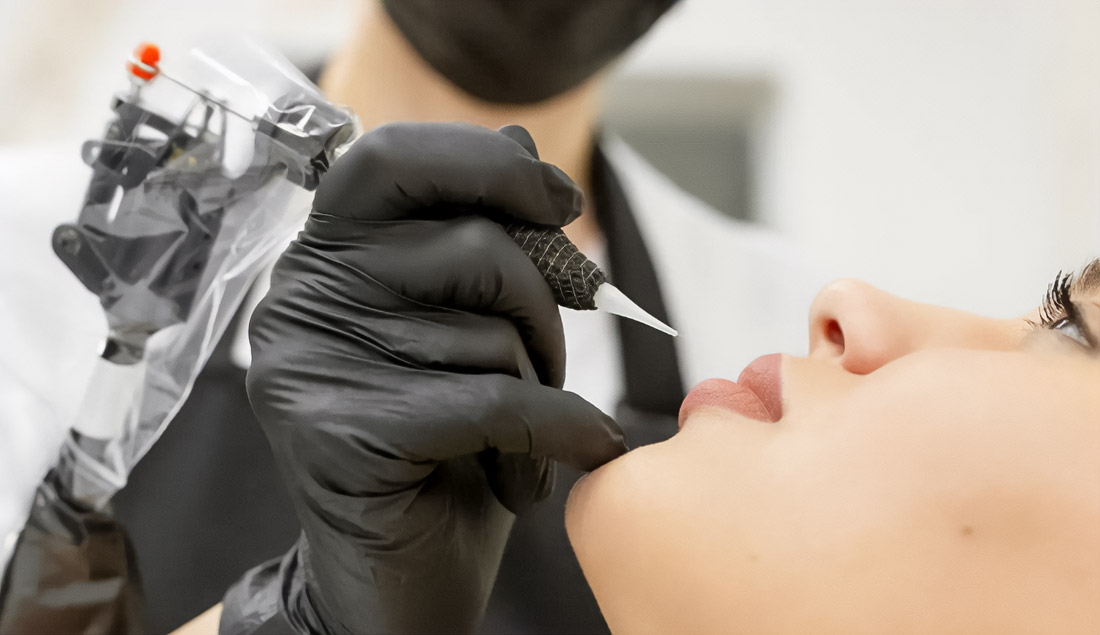
Younger consumers are spending more on skincare and makeup, experimenting with textures and formats, and moving away from heavy or aggressive solutions. This shift is reflected in the growing interest in lightweight foundations, skincare-infused formulas, multifunctional products, and procedures focused on improving skin quality rather than dramatically altering appearance, including approaches such as semi permanent makeup, which allow subtle enhancement without changing facial identity.
Economic Context and Consumption Growth
The region demonstrates a steady increase in spending on cosmetics and personal care. In the Persian Gulf countries, women’s average monthly expenditure on decorative cosmetics and skincare is measured in the tens of dollars, while men consistently invest in grooming and fragrance products. This growth is driven by rising disposable incomes, economic diversification, and increased female employment, giving women greater financial independence and purchasing power.
The Middle East beauty and personal care sector is projected to reach tens of billions of dollars in value, with further expansion expected in the coming years. At the same time, consumer priorities are shifting from quantity to quality. Buyers increasingly expect proven efficacy, transparent ingredient lists, and compliance with cultural and ethical standards.
The Shift of Standards: From Transformation to Reinforcement
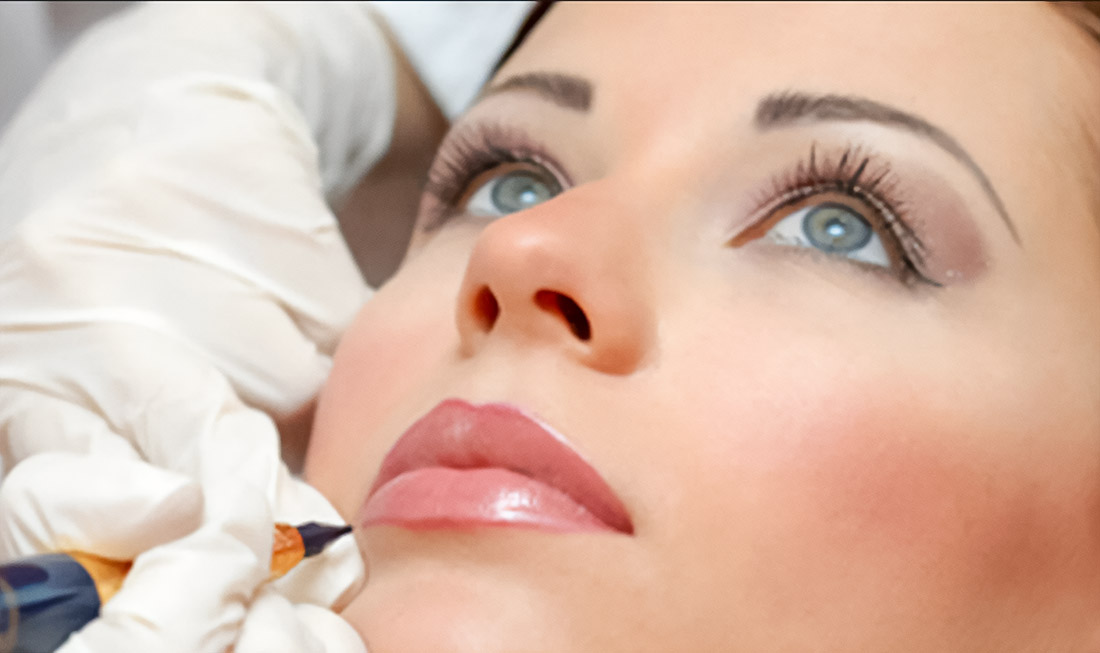
Where earlier trends focused on “correcting” appearance to align with predominantly European ideals, today there is a noticeable shift toward embracing distinctive regional features. Expressive eyes, thick eyebrows, full lips, and defined cheekbones are no longer seen as traits to minimize. Instead, they are becoming central elements of aesthetic emphasis.
Within aesthetic medicine and cosmetology, a clearer distinction is emerging between correction, subtle enhancement, and complete transformation. Increasing emphasis is placed on preserving individuality and improving skin quality, texture, elasticity, and natural radiance. Aggressive interventions and exaggerated results are gradually losing favor, particularly among younger audiences.
The Role of the Digital Environment and Social Interaction
In the region, the digital space is often perceived as an extension of offline community life. While social media once amplified pressure to conform to rigid beauty ideals, it is increasingly becoming a platform for celebrating authentic features, heritage, and cultural context. Excessive enhancement and aggressive procedures are steadily becoming less desirable, especially among younger consumers.
High levels of content consumption strengthen the visibility of local aesthetic codes and accelerate the adoption of new norms: less concealment, greater focus on skin health, texture, natural makeup, and thoughtful self-care.
Climate, Conditions and Functional Requirements
The region’s extreme climatic conditions directly influence product expectations. High temperatures, dry air, and humidity create demand for formulations that are long-lasting yet lightweight and comfortable on the skin. This drives interest in products that combine decorative and skincare benefits, as well as those offering hydration, protection, and regenerative properties.
Ethics, Purity and Trust
Demand for ethical standards and regulatory compliance is developing as a distinct priority. Transparency of ingredients, adherence to religious considerations, and the avoidance of harsh components are increasingly important. Concepts such as cleanliness, safety, and trust have evolved beyond trend status to become baseline expectations. Consumers increasingly view self-care as part of holistic well-being — both physical and psychological.
Male Audience and the Expansion of the Norm
These shifts are not limited to women. Men are becoming more actively engaged in grooming culture, choosing treatments and products that support a polished appearance without compromising masculinity. Skincare, targeted corrections, and improvements in texture and tone are no longer taboo but are widely accepted as elements of contemporary social norms.
The modern beauty market in the Middle East represents a balance between tradition and transformation. Beauty is no longer an instrument of imitation, but a language of self-expression. A new aesthetic norm is emerging — shaped by youth demographics, economic growth, digital engagement, and cultural redefinition — one that emphasizes enhancement rather than concealment of origin.


Marianna Walker
Share post:
Beauty in the Middle East has always been an integral part of culture, not an imported concept. For centuries, self-care, perfumes, makeup, and rituals have been passed down within women’s communities, forming a stable perception of appearance as an extension of identity. In recent decades, however, the region has experienced a significant transformation — shifting from the adoption of Western aesthetic standards toward a renewed appreciation of its own distinctive features and ideals.
Demographics as a Catalyst for Transformation
In several countries across the region, nearly half of the population is under the age of 25, and in some nations, up to 70% are under 30. This young generation grew up with constant access to digital content, social media, and global visual culture, while remaining closely connected to tradition. It is this audience that now shapes demand for cosmetics, skincare, and aesthetic procedures — choosing not to disguise their features, but to enhance them.
Younger consumers are spending more on skincare and makeup, experimenting with textures and formats, and moving away from heavy or aggressive solutions. This shift is reflected in the growing interest in lightweight foundations, skincare-infused formulas, multifunctional products, and procedures focused on improving skin quality rather than dramatically altering appearance, including approaches such as semi permanent makeup, which allow subtle enhancement without changing facial identity.
Economic Context and Consumption Growth
The region demonstrates a steady increase in spending on cosmetics and personal care. In the Persian Gulf countries, women’s average monthly expenditure on decorative cosmetics and skincare is measured in the tens of dollars, while men consistently invest in grooming and fragrance products. This growth is driven by rising disposable incomes, economic diversification, and increased female employment, giving women greater financial independence and purchasing power.
The Middle East beauty and personal care sector is projected to reach tens of billions of dollars in value, with further expansion expected in the coming years. At the same time, consumer priorities are shifting from quantity to quality. Buyers increasingly expect proven efficacy, transparent ingredient lists, and compliance with cultural and ethical standards.
The Shift of Standards: From Transformation to Reinforcement
Where earlier trends focused on “correcting” appearance to align with predominantly European ideals, today there is a noticeable shift toward embracing distinctive regional features. Expressive eyes, thick eyebrows, full lips, and defined cheekbones are no longer seen as traits to minimize. Instead, they are becoming central elements of aesthetic emphasis.
Within aesthetic medicine and cosmetology, a clearer distinction is emerging between correction, subtle enhancement, and complete transformation. Increasing emphasis is placed on preserving individuality and improving skin quality, texture, elasticity, and natural radiance. Aggressive interventions and exaggerated results are gradually losing favor, particularly among younger audiences.
The Role of the Digital Environment and Social Interaction
In the region, the digital space is often perceived as an extension of offline community life. While social media once amplified pressure to conform to rigid beauty ideals, it is increasingly becoming a platform for celebrating authentic features, heritage, and cultural context. Excessive enhancement and aggressive procedures are steadily becoming less desirable, especially among younger consumers.
High levels of content consumption strengthen the visibility of local aesthetic codes and accelerate the adoption of new norms: less concealment, greater focus on skin health, texture, natural makeup, and thoughtful self-care.
Climate, Conditions and Functional Requirements
The region’s extreme climatic conditions directly influence product expectations. High temperatures, dry air, and humidity create demand for formulations that are long-lasting yet lightweight and comfortable on the skin. This drives interest in products that combine decorative and skincare benefits, as well as those offering hydration, protection, and regenerative properties.
Ethics, Purity and Trust
Demand for ethical standards and regulatory compliance is developing as a distinct priority. Transparency of ingredients, adherence to religious considerations, and the avoidance of harsh components are increasingly important. Concepts such as cleanliness, safety, and trust have evolved beyond trend status to become baseline expectations. Consumers increasingly view self-care as part of holistic well-being — both physical and psychological.
Male Audience and the Expansion of the Norm
These shifts are not limited to women. Men are becoming more actively engaged in grooming culture, choosing treatments and products that support a polished appearance without compromising masculinity. Skincare, targeted corrections, and improvements in texture and tone are no longer taboo but are widely accepted as elements of contemporary social norms.
The modern beauty market in the Middle East represents a balance between tradition and transformation. Beauty is no longer an instrument of imitation, but a language of self-expression. A new aesthetic norm is emerging — shaped by youth demographics, economic growth, digital engagement, and cultural redefinition — one that emphasizes enhancement rather than concealment of origin.